
Slabs That Stay Level and Drain Properly
Concrete Installation for properties where soil movement and water drainage determine how long flat surfaces stay functional
Concrete patios, sidewalks, and driveway extensions either shed water effectively or develop low spots where puddles form and freeze-thaw cycles cause surface deterioration. Base preparation and slope planning determine whether your concrete remains level or settles unevenly as soil underneath shifts with seasonal moisture changes. Renovation Nation provides concrete installation in Covington including patios, sidewalks, driveway extensions, concrete slabs for sheds, and decorative finishes that address drainage and base stability before any material gets poured.
The work involves excavating to proper depth, establishing a compacted base that resists settling, setting grade stakes to control slope, and placing reinforcement that limits crack width when concrete inevitably shrinks during curing.
Request an on-site evaluation to review your property's drainage conditions and soil characteristics before planning concrete work.
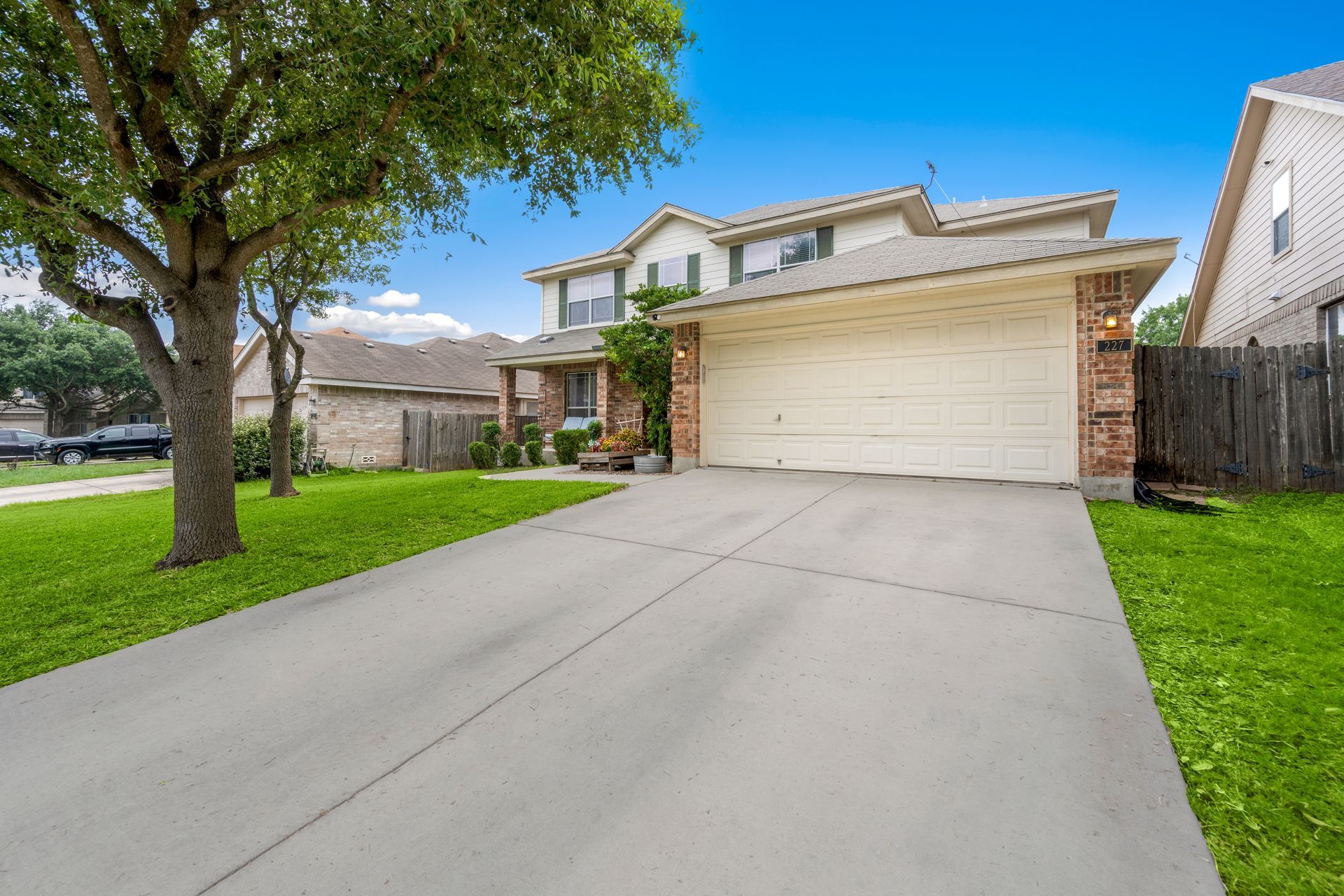
What Changes After Concrete Work Completes
Concrete installation begins with subgrade evaluation to identify soft spots or organic material that would compress under load, followed by base material placement and compaction to create stable support. Control joints get cut or formed at planned locations to direct cracking where it won't be visible or structurally problematic, and surfaces receive finish treatments from broom texture for traction to exposed aggregate or stamped patterns for decorative appearance.
After installation, you'll notice surfaces that drain without standing water, walkways that remain level at transitions to existing slabs, and shed foundations that keep floor framing elevated above ground moisture. Driveway extensions match existing concrete in height and slope, and patio surfaces provide stable footing without rocking pavers or shifting gravel.
Decorative concrete finishes add color through integral pigments mixed into the concrete or surface-applied stains, while texture options range from smooth troweled surfaces to stamped patterns that replicate stone or tile. Timing matters for these finishes—application happens during specific windows as concrete sets, and weather conditions affect curing rates and final appearance, particularly humidity and temperature on pour day.
What Property Owners Usually Ask
Questions about concrete work often focus on durability, appearance, and site-specific conditions.
What thickness does concrete need for different applications?
Sidewalks typically require four inches of concrete over compacted base, while driveways need at least four inches and often six where vehicles will park or turn, and equipment pads or shed foundations may require greater thickness depending on concentrated load points.
How soon can you use concrete after it's poured?
Light foot traffic is safe after 24 to 48 hours once the surface hardens enough to resist marking, but concrete reaches only a fraction of its full strength in the first week, so vehicle traffic should wait at least seven days and heavy loads longer depending on weather conditions during curing.
Why do control joints matter in concrete slabs?
Control joints create intentional weak points that guide where concrete cracks as it shrinks during curing, keeping cracks narrow and straight rather than allowing random wide cracks to form across visible areas, with joints typically spaced at intervals equal to about two to three times the slab thickness in feet.
When does concrete need reinforcement beyond control joints?
Wire mesh or rebar becomes important in slabs larger than 10 by 10 feet, areas with poor soil conditions, or applications where cracking would create functional problems, since reinforcement doesn't prevent cracks but keeps crack faces from separating and causing uneven surfaces.
What affects decorative concrete costs in Covington?
Cost increases with surface preparation complexity, the intricacy of stamped patterns or multiple color applications, sealer requirements for protecting decorative finishes from weather and traffic, and whether existing concrete needs removal before new installation.
Renovation Nation plans concrete installations around your property's drainage requirements and soil conditions, with material and finish selections that match your intended use. Call (985) 334-9360 to review concrete options for your specific site and project needs.